


Low Vision
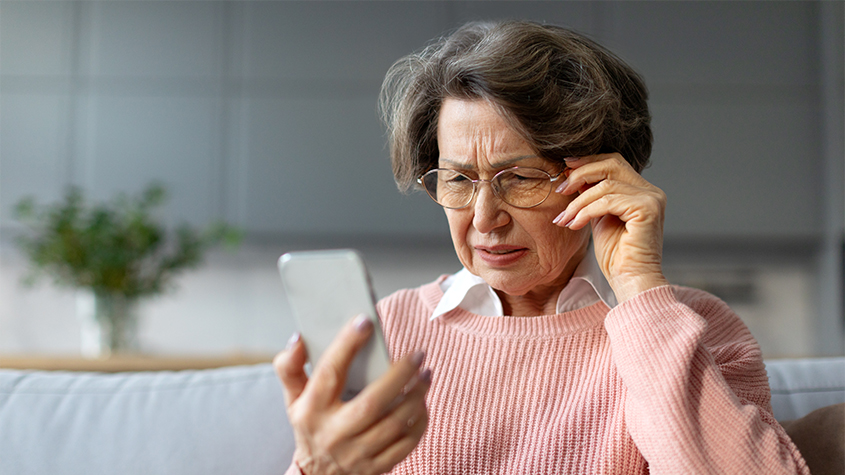
Personalized Eyewear Solutions to Help You Make the Most of Your Vision
Are you experiencing difficulty reading, sensitivity to bright lights, reduced contrast, or challenges with everyday visual tasks? At Socialite Vision in Palm Beach Gardens, FL, we understand how changes in your vision can affect your independence, comfort, and quality of life.
Low vision refers to reduced eyesight that cannot be fully corrected with traditional glasses, contact lenses, medication, or surgery. While some vision loss may be permanent, specialized eyewear and visual aids can help many individuals make better use of their remaining vision.
At Socialite Vision, we offer personalized eyewear solutions, including EnChroma LX lenses, high-ADD progressive lenses, and Chemistrie Clips, designed to address specific visual challenges.
Serving patients throughout Palm Beach Gardens, Jupiter, North Palm Beach, and surrounding South Florida communities, our team can help you explore eyewear options tailored to your vision needs and lifestyle.
What Is Low Vision?
Low vision is a visual impairment that makes everyday activities more challenging, even when wearing standard prescription glasses or contact lenses.
Unlike complete blindness, individuals with low vision retain some usable sight. However, they may experience difficulty with activities such as reading, recognizing faces, navigating unfamiliar environments, or seeing clearly in certain lighting conditions.
Low vision can affect people of all ages, although it is more common among older adults and individuals with certain eye diseases.
While traditional eyewear may not fully restore lost vision, specialized lenses, magnification, and contrast-enhancing solutions may improve comfort and help patients perform specific visual tasks.
What Causes Low Vision?
Low vision can develop as a result of several eye conditions that affect the retina, optic nerve, or other structures responsible for sight.
Common causes include:
- Age-Related Macular Degeneration: A condition affecting central vision that can make reading and recognizing faces more difficult.
- Glaucoma: Damage to the optic nerve that may lead to gradual peripheral vision loss.
- Diabetic Retinopathy: Diabetes-related damage to retinal blood vessels that can cause blurred vision or vision loss.
- Retinitis Pigmentosa: A group of inherited retinal conditions that can affect night vision and peripheral vision.
- Optic Neuropathy: Damage to the optic nerve that may reduce visual clarity, contrast sensitivity, or visual field.
- Corneal Disease or Injury: Conditions affecting the cornea that may cause irregular vision, glare, or reduced clarity.
- Inherited Retinal Disorders: Conditions such as rod-cone dystrophies that can affect visual function over time.
Some patients may also experience significant glare or reduced contrast following cataract or refractive surgery. These symptoms do not necessarily indicate low vision, but they should be evaluated to determine their cause.
What Are the Signs and Symptoms of Low Vision?
Low vision can affect people differently depending on the underlying condition and the areas of vision involved.
Common symptoms may include:
- Difficulty reading books, menus, or digital screens
- Trouble recognizing faces or seeing fine details
- Increased sensitivity to sunlight or bright indoor lighting
- Difficulty distinguishing objects from similar-colored backgrounds
- Challenges navigating in dimly lit environments
- Reduced peripheral or central vision
- Difficulty performing close-up activities such as sewing or hobbies
If you're experiencing changes in your vision, a comprehensive eye examination can help identify potential causes and determine whether additional care or specialized eyewear may be beneficial.
Specialized Low Vision Eyewear at Socialite Vision
At Socialite Vision, we recognize that no two patients experience vision challenges in exactly the same way.
Our approach focuses on understanding your visual needs, daily activities, and eyewear preferences to help identify solutions that may improve comfort and functionality.
EnChroma LX Lenses for Glare and Light Sensitivity
Struggling With Glare, Halos, or Light Sensitivity?
For patients experiencing discomfort from bright lights, glare, or certain lighting environments, specialized lens filters may offer additional visual comfort.
The EnChroma LX Series is designed for individuals with specific visual challenges, including glare sensitivity and certain age-related eye conditions.
Depending on the patient's needs, these lenses may help:
- Reduce discomfort from certain lighting conditions
- Manage glare and light sensitivity
- Improve subjective visual comfort
- Provide selected light-filtering properties
- Accommodate prescription eyewear needs when available
Patients with conditions such as macular degeneration, glaucoma, retinitis pigmentosa, diabetic retinopathy, and other retinal or optic nerve disorders may benefit from discussing specialized lens filters with their eye care provider.
Important: EnChroma LX lenses do not treat or reverse the underlying eye conditions responsible for vision loss. Their effectiveness depends on the individual's visual condition, symptoms, and response to the lenses.
High-ADD Progressive Lenses for Near Vision
Stronger Reading Support Without Traditional Lined Bifocals
For patients who need additional magnification for close-up activities, high-ADD progressive lenses may provide an alternative to traditional bifocals or certain specialty magnifiers.
At Socialite Vision, we offer high-ADD progressive lenses with near additions up to +4.00, depending on prescription and lens availability.
These lenses are designed to provide additional near focusing power while maintaining the appearance of traditional no-line progressive glasses.
Potential benefits include:
- Additional magnification for reading and close-up tasks
- A no-line progressive lens design
- Convenient transitions between different viewing distances
- Personalized prescription options
- A familiar eyewear appearance
High-ADD progressive lenses may be particularly useful for patients who enjoy reading, sewing, crafting, or other activities requiring enhanced near vision.
However, higher-powered progressive lenses can have limitations, including narrower near viewing areas. Our team can help determine whether this lens design is appropriate for your prescription and visual needs.
Chemistrie Clips for Customized Vision Support
Flexible Eyewear Solutions for Different Visual Tasks
Sometimes, one pair of glasses isn't enough to address every visual challenge throughout the day.
Chemistrie Clips are lightweight, magnetic clip-on lenses that attach to compatible prescription eyewear, providing additional functionality without requiring an entirely separate pair of glasses.
Depending on the selected lens design, Chemistrie Clips can offer:
- Additional magnification for specific near tasks
- Specialized lens filters for certain lighting environments
- Enhanced visual comfort
- Convenient customization for reading or digital device use
- A discreet alternative to carrying multiple pairs of specialty glasses
These clips can be especially useful for individuals who need task-specific vision support while maintaining the convenience of their everyday eyewear.
Our team can help identify the appropriate lens configuration based on your prescription, visual goals, and lifestyle.
How Can Specialized Eyewear Help With Low Vision?
Although specialized eyewear cannot cure low vision or restore vision permanently lost to eye disease, it may help individuals use their remaining vision more effectively.
Depending on the patient's condition, visual aids may assist with:
Reading and Close-Up Activities
Magnifying lenses and stronger near prescriptions may make certain reading and detail-oriented tasks easier.
Glare and Light Sensitivity
Specialized lens filters may reduce discomfort caused by bright sunlight or challenging indoor lighting.
Contrast and Visual Comfort
Certain lens designs and filters may help patients distinguish visual details more comfortably in specific environments.
Everyday Independence
Appropriate visual aids may make routine activities more manageable, including using electronic devices, participating in hobbies, and completing tasks around the home.
The most effective solution depends on the underlying cause of vision loss, the patient's remaining visual function, and the activities they want to improve.
What to Expect During Your Low Vision Eyewear Evaluation
At Socialite Vision, our goal is to understand your visual challenges and help identify practical solutions that fit your needs.
1. Discuss Your Vision Concerns
We'll begin by learning about the activities you find difficult, including reading, using digital devices, managing glare, or performing close-up tasks.
2. Evaluate Your Vision and Eye Health
Your eye care provider will assess your vision and consider any existing eye conditions that may affect your visual performance.
3. Explore Specialized Eyewear Options
Depending on your needs, we may recommend evaluating options such as EnChroma LX lenses, high-ADD progressive lenses, or Chemistrie Clips.
4. Personalize Your Eyewear
Our team will help determine which available lens designs and features may be appropriate for your prescription and lifestyle.
5. Discuss Additional Care When Needed
Some patients may benefit from additional testing, medical treatment, or referral to a low vision rehabilitation specialist for more comprehensive support.
Frequently Asked Questions About Low Vision
What is considered low vision?
Low vision is a visual impairment that cannot be fully corrected with standard glasses, contact lenses, medication, or surgery and interferes with everyday activities. It may affect central vision, peripheral vision, contrast sensitivity, or other aspects of visual function.
Can low vision be corrected with glasses?
Traditional prescription glasses generally cannot fully correct low vision. However, specialized eyewear, magnifying lenses, and other visual aids may help individuals make better use of their remaining vision.
Can low vision be treated or reversed?
Whether vision can improve depends on the underlying cause. Some conditions may be treatable, while vision loss from certain retinal or optic nerve diseases may be permanent. Low vision aids focus on improving everyday visual function rather than curing the underlying condition.
Are glare and halos signs of low vision?
Glare and halos can occur in people with low vision, but they can also be caused by cataracts, dry eye, refractive errors, and other eye conditions. Experiencing glare alone does not necessarily mean you have low vision. An eye examination can help identify the cause.
What are EnChroma LX lenses used for?
EnChroma LX lenses are specialized filtered lenses designed to address certain visual comfort concerns, including glare and light sensitivity. They may be considered for patients with particular eye conditions, although individual results vary and the lenses do not treat the underlying disease.
What are high-ADD progressive lenses?
High-ADD progressive lenses provide stronger near focusing power than many standard progressive designs. They may help certain patients with reading and other close-up tasks while maintaining a no-line lens appearance.
Can Chemistrie Clips help people with low vision?
Chemistrie Clips can provide task-specific lens enhancements, such as additional near magnification or specialized filters, depending on the configuration. They may be useful for some patients who need additional visual support without switching between multiple pairs of glasses.
Does Socialite Vision offer low vision solutions near Jupiter, FL?
Yes. Socialite Vision in Palm Beach Gardens offers specialized eyewear options for patients experiencing low vision and related visual challenges. We welcome patients from Jupiter, North Palm Beach, and surrounding communities who are interested in exploring personalized lens solutions.
How do I know which low vision eyewear option is right for me?
The best option depends on your eye health, prescription, visual symptoms, and daily activities. A personalized evaluation can help determine whether specialty lenses, magnification, light-filtering eyewear, or additional low vision services may be appropriate.
Explore Low Vision Eyewear Solutions in Palm Beach Gardens
Vision changes shouldn't prevent you from exploring ways to stay comfortable, active, and engaged in the activities you enjoy.
At Socialite Vision, Dr. Adam Ramsey and our team take a personalized approach to eye care and specialty eyewear, helping patients understand their options and find solutions suited to their individual needs.
Whether you're interested in glare-reducing lenses, stronger near-vision correction, or customized magnetic clip-ons, we're here to help you explore your options.
Schedule an appointment today to learn more about low vision eyewear solutions at Socialite Vision!
Socialite Vision
4871 PGA Blvd.
Palm Beach Gardens, FL 33418
Call or Text: (561) 336-0733
[Schedule an Appointment]
Specialized eyewear may improve comfort or visual function for some individuals but does not cure low vision or reverse underlying eye disease. Results vary by patient, condition, and lens design. Sudden vision loss or sudden changes in vision require prompt medical evaluation.


Contact Info
Hours of Operation
- Monday 9:30am - 5:30pm
- Tuesday 9:30am - 5:30pm
- Wednesday 9:30am - 5:30pm
- Thursday 9:30am - 5:30pm
- Friday 9:30am - 5:30pm
- Saturday Closed
- Sunday Closed
- Closed from 1:00pm - 2:00pm for lunch (noon appointments avaliable)
© 2026 Socialite Vision. All rights Reserved. Accessibility Statement - Privacy Policy - Sitemap
Powered by:

